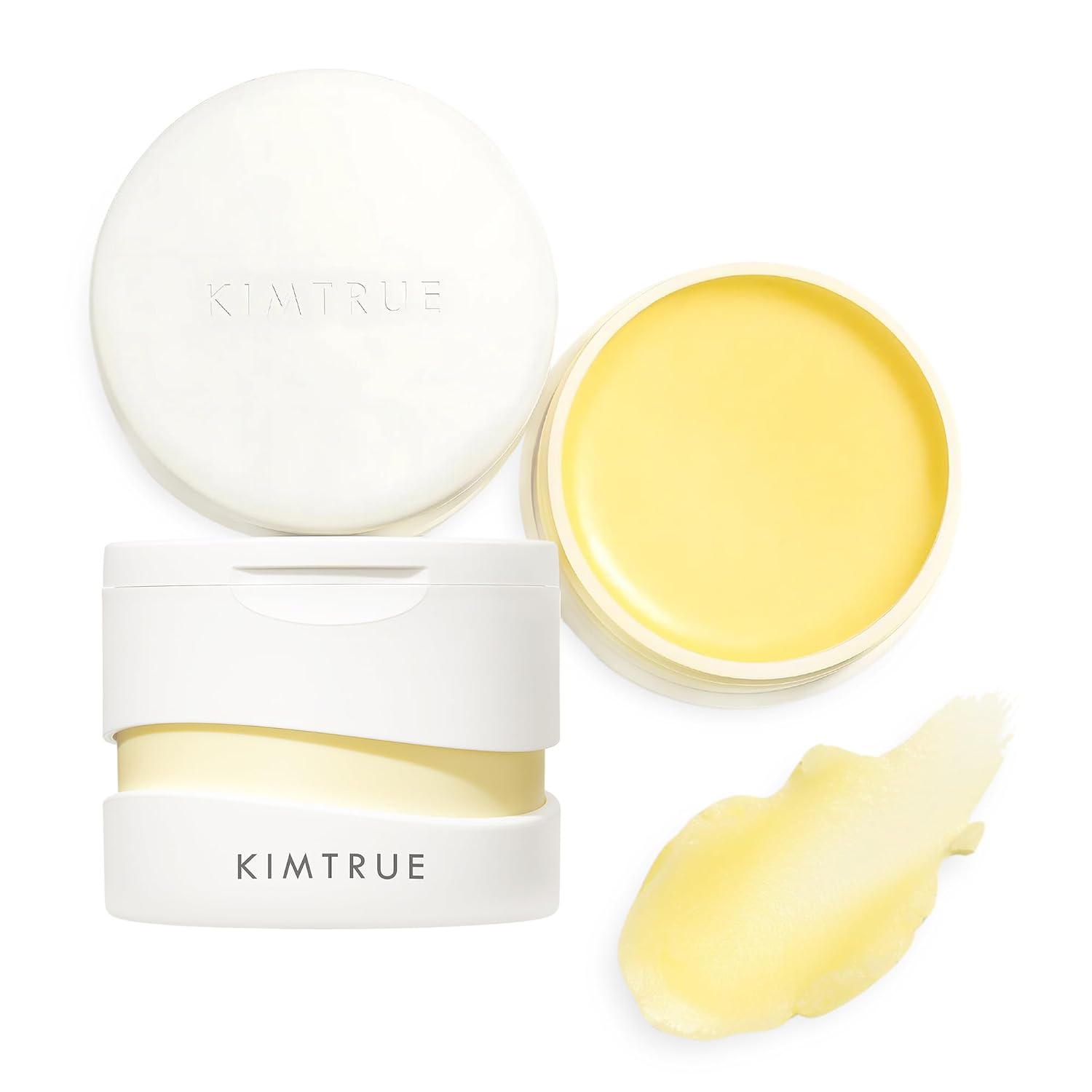
Cleansing balms all make the same promise and the ones worth buying all work the same way, which makes the marketing around them unusually noisy. A balm dissolves makeup because oil dissolves oil - sunscreen, foundation and sebum are all oil-soluble, and water simply cannot shift them. What separates a good balm from a bad one is which oils, and what emulsifier lets you rinse the result off.
The KIMTRUE 3rd-Generation Meltaway Cleansing Balm is $24.99 for 100 ml (3.38 oz), and its ingredient list tells a slightly different story from its product description. That is not a criticism - it is arguably better than advertised. Let me explain.

Published specification
| Specification | Value |
|---|---|
| Size | 100 ml / 3.38 oz |
| First ingredients | Stearic acid ethylhexyl ester, cetyl ethylhexanoate, C13-16 isoalkanes, sorbitan sesquioleate |
| Featured botanicals | European bilberry seed oil, mauritia flexuosa (buriti) fruit oil, moringa oleifera seed oil |
| Texture claim | "Potato puree" balm, Speedy-Melt Pro technology |
| Skin types | All, including sensitive |
| Brand claim | Over 12 million units sold since 2019 |
| Packaging | Described as eco-friendly |
| Price | $24.99 |
What the first three ingredients actually mean
Ingredient lists run in descending order of concentration, so the top of the list is the product. Here the top three are stearic acid ethylhexyl ester, cetyl ethylhexanoate and C13-16 isoalkanes - all synthetic emollient esters and hydrocarbons. The bilberry, buriti and moringa oils that the description leads with sit further down, at lower concentrations.
The marketing implies a botanical oil balm. The formula is a synthetic ester balm with botanical oils included. And here is the thing: for a cleansing balm, that is the better formulation.
Synthetic esters outperform plant oils at this specific job in three ways. They have a lighter, less greasy skin feel and rinse cleaner, leaving less residue. They are far more stable - plant oils oxidise over time, which is why oil-heavy balms can go rancid and why they need more preservative and antioxidant support. And they are generally lower on the comedogenicity scale than heavy plant oils like coconut, which is a common trigger in oil cleansers. C13-16 isoalkanes in particular are excellent, fast-spreading solvents for silicones and long-wear makeup, which is why this balm will handle waterproof mascara and transfer-proof foundation better than a jar of shea butter would.
Sorbitan sesquioleate is the fourth ingredient and it is the one doing the work you actually notice - it is the emulsifier that turns the balm milky when you add water, so the dissolved makeup lifts away rather than smearing. A balm without adequate emulsifier leaves a film, and that film is what people mistake for "my skin feels moisturised" right before they break out.
So the honest summary is: this is a well-constructed cleansing balm whose marketing undersells its own chemistry in order to sound natural.

Three honest drawbacks
1. The botanical framing is misleading about what you are buying. Bilberry seed, buriti and moringa oils are all genuinely interesting - buriti in particular is exceptionally high in carotenoids - but they appear well down the list, which means low percentages. If you are choosing this specifically because you want a plant-oil-based cleanser, you are not getting one. That matters to people who buy on ingredient philosophy, and the page does not make it clear.
2. "Potato puree texture" describes a texture, and there is no potato. It is a descriptive flourish, not an ingredient claim, but it reads as one at a glance. Similarly, "12 million pieces sold since 2019" is a sales figure - it tells you the product is popular, not that it works for your skin, and popularity is not evidence. And "3rd-Generation Speedy-Melt Pro technology" is brand nomenclature rather than a defined standard.
3. Sorbitan sesquioleate is worth knowing about if you are acne-prone. It is a common and effective emulsifier, and it also appears on comedogenicity lists as a possible trigger for some people. Combined with a balm's inherently occlusive nature, that makes thorough removal essential. Always follow a balm with a proper water-based second cleanse - a balm alone, rinsed casually, is how people end up with congestion and then blame the balm. If you are prone to breakouts along the jaw and hairline, that is usually incomplete removal rather than the product.
One further note: the listing does not clearly state whether the formula contains fragrance or essential oils, which for sensitive skin is the single most relevant question given the "sensitive skin safe" claim. Ask KIMTRUE for the complete INCI list and check for parfum or fragrance before buying if you react easily.
Who should buy it - and who should not
Buy it if you wear long-wear makeup, sunscreen or both daily and want an effective first cleanse at a sensible price. One hundred millilitres for $24.99 is good value in this category, and the ester-based formula is genuinely well suited to dissolving stubborn products without leaving a heavy film. Use a pea-sized amount on dry skin, massage, add water to emulsify, rinse, then cleanse again.
Skip it if you specifically want a plant-oil formulation - read the list and buy accordingly. Skip it if you are highly acne-prone and have reacted to sorbitan esters before, if you have very sensitive skin and cannot confirm the fragrance status, or if you wear no makeup and no sunscreen, in which case a balm is a step you do not need.
Verdict
Judged as chemistry rather than as marketing, this is a sensibly built cleansing balm - a fast-spreading synthetic ester base that will actually shift long-wear makeup, a proper emulsifier so it rinses clean, and botanical oils as supporting cast. At $24.99 for 100 ml it is fairly priced. The gap is in how it is presented: the page sells a botanical product and delivers a technical one. If you know what you are getting, you will probably be pleased with it.
Current pricing and the full range are on the official KIMTRUE store, and our brand overview is on the Kimtrue store page.
Disclosure: this article contains affiliate links. If you buy through them we may earn a commission at no extra cost to you. Ingredients and prices were taken from the brand's official product page and are subject to change. Patch test if you have sensitive or reactive skin, and consult a dermatologist about persistent breakouts or irritation.