Hair toppers are one of the few beauty products where getting it wrong is both expensive and immediately visible. The base has to sit over the right area, the density has to match the hair around it, and the colour has to blend under daylight — three variables, all of which have to be right at once.
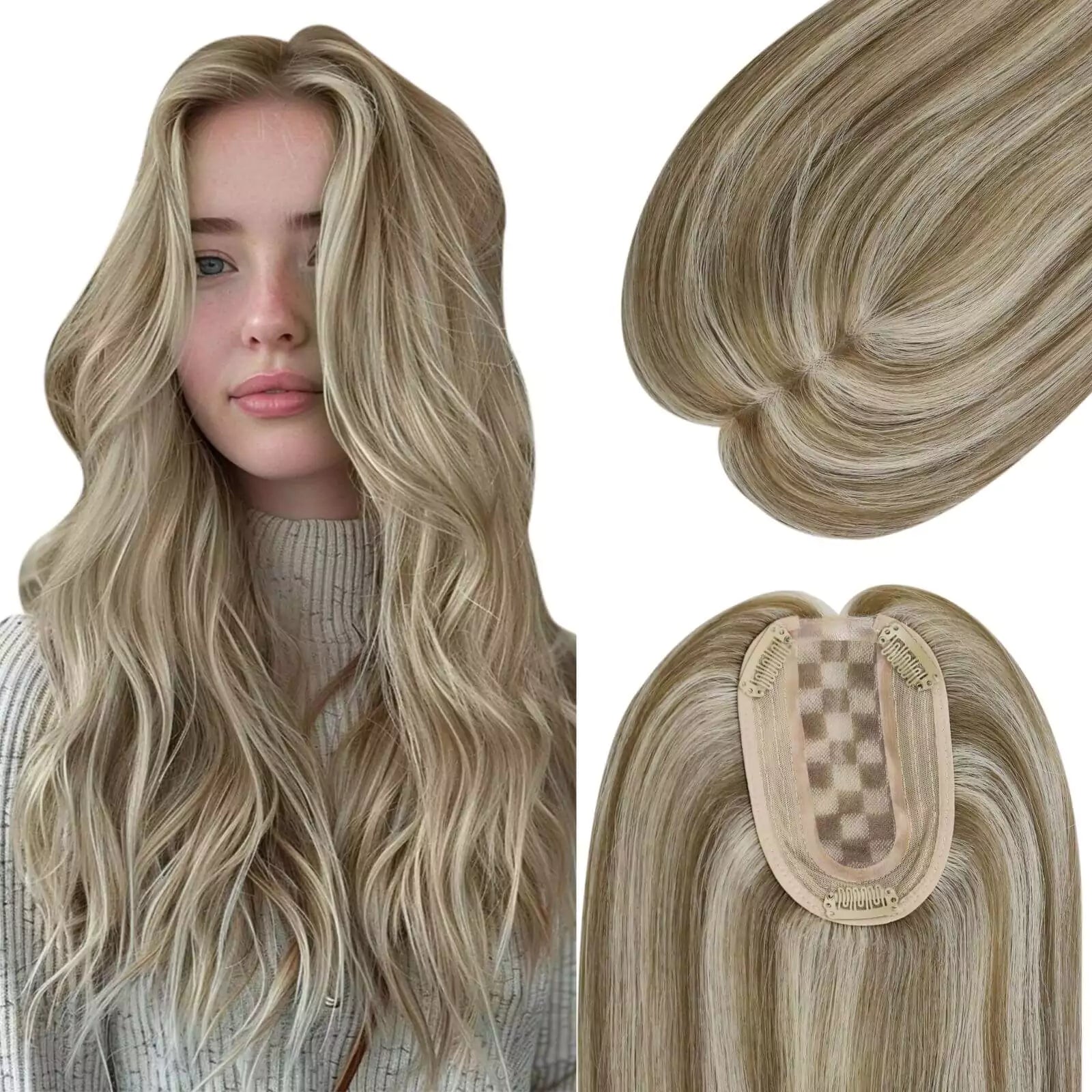
The Moresoo 3×5 Virgin Hair Topper runs from $181.99 for 12 inches to $265.99 for 18 inches, in a #8P60 highlight. The hair specification is genuinely good. There is a line in the fine print that changes how you should approach the purchase entirely.

The specification, as listed
| Product | 3"×5" Virgin Hair Topper, colour #8P60 |
|---|---|
| 12 inch | $181.99 (was $213.59) |
| 14 inch | $209.99 |
| 16 inch | $239.99 |
| 18 inch | $265.99 |
| Base | 3 × 5 inches, breathable mono base |
| Hair | 100% virgin human hair, silky straight |
| Density | 130% |
| Available lengths | 10 to 18 inches |
| Stated lifespan | Around one year with proper care |
| Other bases | Remy 3×5, Remy 5×5, Virgin 6×7 |
| Returns | US warehouse clearance items are final sale — no returns or exchanges |
Read the returns policy first
Moresoo states that clearance products from the U.S. warehouse are final sale and cannot be returned or exchanged. On a product costing up to $265.99, where the single hardest thing to get right is colour matching from a photograph on a screen, that is a significant risk to take on.
Screen calibration, ambient lighting and photography all shift how a highlighted blend like #8P60 appears. Professionals match hair against a physical colour ring in natural light for exactly this reason. If you order this and the blend reads too warm or too light against your own hair, you own it.
Before buying, ask Moresoo whether this specific listing is final sale, and whether they offer a colour ring or physical sample. That one question is worth more than any other research you do on this purchase.
What Moresoo gets right
Genuine virgin hair, and they explain what that means
The listing sets out the distinction properly: virgin hair has never been permed, dyed, bleached or chemically processed, with the cuticle intact and aligned. Remy hair has aligned cuticles but may have been processed. Non-Remy hair has cuticles running in mixed directions, which is why cheap extensions tangle and mat within weeks.
This matters practically. Intact, aligned cuticles are why virgin hair can be heat-styled, holds a curl, reflects light like your own hair, and does not turn into a knot at the nape. It is also why it costs what it costs.
A mono base is the right construction
Monofilament bases have individual hairs hand-tied to a fine mesh, which lets the hair move in any direction and lets the scalp show through underneath. That is what produces a convincing parting. The alternative — wefted hair sewn to a solid base — is cheaper and gives the hair a fixed direction that reads as artificial at the part line. Mono bases are also breathable, which matters for something worn against the scalp for hours.
130% density is a sensible choice
Density on hairpieces is quoted as a percentage of average natural head density, and higher is not better. The commonest mistake with toppers is choosing too much density, which produces a visible mound of hair sitting above thinner hair around it. At 130% this gives real added volume while remaining blendable — a judgement call in favour of realism over impressiveness.
Four base sizes across the range
Offering 3×5, 5×5 and 6×7 in both Remy and virgin means the range covers different patterns of thinning rather than forcing everyone into one size.

What else to weigh up
1. A 3×5 base is small — make sure it matches your thinning
Three by five inches covers the crown and immediate parting area. If your thinning extends further forward or across a wider area, the topper's edges will sit on top of sparse hair rather than blending into dense hair, and the perimeter will show. Measure the area you need covered before choosing a base size; Moresoo's 6×7 exists for exactly this reason.
2. One year is a short life for the money
Moresoo states roughly a year with proper care, which is honest and consistent with how hairpieces actually wear — but it means the 18-inch topper costs around $266 a year. Worth budgeting as a recurring cost rather than a one-off.
3. Density without weight
The 130% figure describes fullness relative to average, not how much hair is physically there. Weight in grams is the specification that lets you compare two toppers directly, and it is not given.
4. The attachment method is not in the specification
Toppers attach by pressure-sensitive clips, tape, or adhesive, and each suits a different amount of remaining hair — clips need enough existing hair to grip. The product imagery suggests clips, but the specification section does not say, and it should.
5. Sourcing is described but not documented
The listing explains that virgin hair typically comes from young donors with no grey and no split ends. That is an accurate description of what the grade means. It is not a traceability statement — there is no country of origin, no supplier information and no ethical sourcing certification. Human hair supply chains vary considerably in transparency, and buyers who care about provenance should ask directly rather than infer.
6. The length premium is steep
Twelve inches at $181.99 to eighteen at $265.99 — $84 more, a 46% increase, for six inches. Longer hair also shows wear at the ends sooner, so buying longer than you need is doubly expensive.
Who should buy it
- Crown thinning specifically. A 3×5 mono base is well suited to that pattern.
- Anyone who wants to heat-style. Virgin hair with intact cuticles takes it; synthetic does not.
- Buyers who have already colour-matched. If you know your shade, the value is good.
- People who found synthetic pieces obvious. A hand-tied mono part is a different level of realism.
Who should not
- Anyone unsure of their colour. Not with a final-sale policy — get a sample first.
- Wider or diffuse thinning. Size up to the 5×5 or 6×7.
- Buyers wanting documented sourcing. Ask before ordering.
- Anyone treating it as a one-off purchase. Budget annually.
Verdict
On the hair itself, this is a well-specified product. Virgin human hair with intact cuticles, a hand-tied monofilament base, and a restrained 130% density are the three choices that determine whether a topper looks like hair or like a hairpiece, and Moresoo has made all three correctly. The explanation of virgin versus Remy is genuinely educational rather than promotional.
The commercial terms are where the caution lies. A final-sale policy on a colour-matched product in the $180 to $266 range puts all the risk on the buyer, in the one area where mistakes are most likely. Ask about a colour ring, confirm the returns terms for your specific order, and measure your thinning area against the 3×5 base. Get those three right and this is good value. Skip them and it is an expensive gamble.
All lengths and base sizes are listed on the Moresoo store, and our Moresoo store page tracks their other live offers.
Disclosure: this article contains affiliate links. If you buy through them we may earn a commission at no additional cost to you. Specifications, prices and returns terms were taken from the retailer listing at the time of writing and may change — confirm the returns policy before ordering. If hair loss is sudden or unexplained, speak to a doctor rather than treating it cosmetically.