There are two kinds of sunglasses and the difference is not the frame - it is what the lens is made of. Almost every pair sold today uses plastic: polycarbonate, CR-39 or nylon. A small number of heritage manufacturers still make lenses from mineral glass, and Vuarnet has done so since 1957.
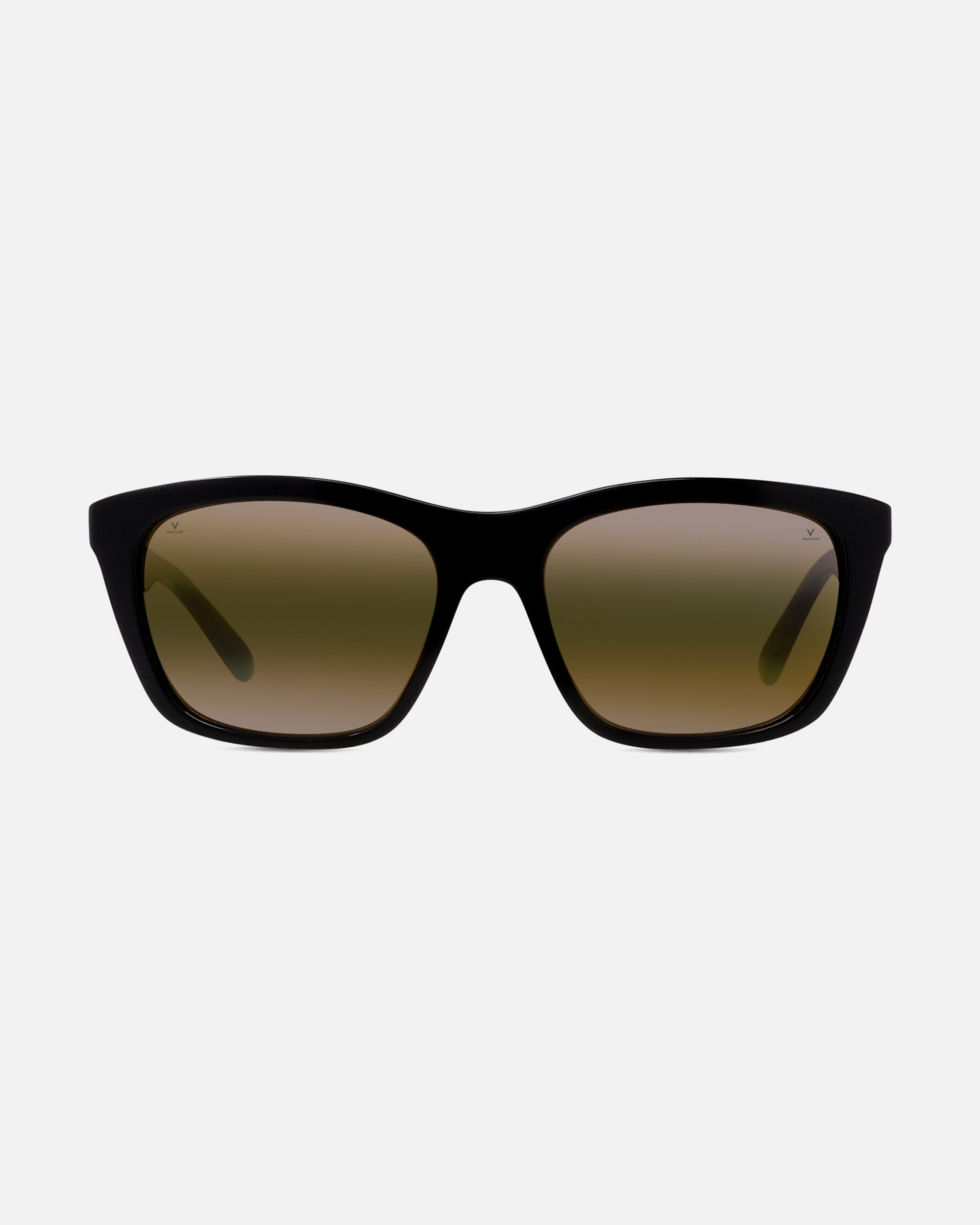
The Vuarnet Legend 06 Valley - $207.00, down from $345.00 - is one of those. Mineral glass is genuinely better in two ways and genuinely worse in two others, and which side you land on should decide this purchase entirely.

Published specification
| Specification | Value |
|---|---|
| Frame material | Acetate - robust, durable, hypoallergenic |
| Shape | Rectangular |
| Lens material | Mineral glass |
| Lens options | Skilynx, Brownlynx, Blue Polarlynx, Greylynx |
| Skilynx purpose | Designed by Vuarnet for snow and mountain use |
| Frame colours | Black/Flag, Havana, Tortoise, Transparent Blue |
| Included | Vuarnet case and signed box |
| Warranty | 2 years |
| Price | $207.00 (regular $345.00) |
Why mineral glass is worth understanding
Optical clarity. Glass has a higher Abbe number than polycarbonate, which means less chromatic aberration - colours stay crisp toward the edges of the lens rather than fringing. If you have ever put on an expensive pair of glass-lensed sunglasses and felt that everything looked somehow sharper, that is not marketing; it is measurable. For anyone who spends long hours in bright light and cares about how the world looks through the lens, this is the reason to buy Vuarnet rather than a fashion brand at the same price.
Scratch resistance. Glass is dramatically harder than any plastic lens. Polycarbonate scratches if you look at it wrongly and relies on a coating that eventually wears; glass does not need one. A pair of glass-lensed sunglasses looked after reasonably will still be clear in ten years, and that changes the value calculation on a $207 purchase considerably.
Acetate is also the right frame material at this level. It is cellulose-based rather than injection-moulded plastic, it takes rich layered colour of the sort you see in the Havana and Tortoise options, and it can be heat-adjusted by an optician to fit your face properly - something you cannot do with most cheaper frames. Vuarnet's hypoallergenic claim follows from acetate being a comparatively inert material.
The Skilynx lens is Vuarnet's signature: developed for snow and mountain conditions, where glare comes at you from above and below simultaneously. If you ski, that specificity is meaningful.

Three honest drawbacks
1. Glass shatters, and that rules out a whole category of use. This is the most important limitation and it is a safety point, not a preference. Polycarbonate is the standard for impact-resistant eyewear precisely because it deforms rather than breaking; mineral glass can fracture under impact, and fragments near the eye are exactly the injury the material was replaced to prevent. Do not wear these for cycling, ball sports, racket sports, motorcycling, shooting, or any activity where something could strike your face. For those, buy purpose-made impact-rated eyewear. Glass belongs on the terrace, the boat deck, the drive and the ski slope - not on a squash court.
2. They are heavier, and you will notice. Glass is substantially denser than polycarbonate, and a glass-lensed acetate frame carries real weight on the nose and behind the ears. Some people find it reassuringly substantial; others get pressure marks and headaches after a few hours. If you have only ever worn lightweight plastic sunglasses, try a glass pair on before committing, and expect to need the frame properly fitted by an optician to distribute the load.
3. Only one of the four lens options is named as polarised. Of Skilynx, Brownlynx, Blue Polarlynx and Greylynx, only the third has "polar" in the name. Polarisation is the feature most buyers actually want - it is what kills reflected glare off water, wet roads and snow - and it is easy to assume a premium lens includes it. It also has a trade-off: polarised lenses can make LCD screens, some phone displays and certain instrument panels difficult to read at angles, which is why some pilots and drivers avoid them. Decide deliberately rather than by lens colour. I would also want the lens category number (1 to 4) and the UV rating confirmed before ordering, since neither appears prominently on the page and the category determines how dark the lens actually is.
One care note: acetate is heat-sensitive. Leaving these on a car dashboard in summer can warp the frame permanently. Use the case - which Vuarnet includes.
Who should buy it - and who should not
Buy it if you want sunglasses as a long-term object rather than a seasonal accessory, you value optical quality, and your use is driving, sailing, skiing, travel or simply being outdoors. The two-year warranty, included case and repairable acetate frame all point to a product designed to be kept, and at $207 for genuine mineral glass the value is real.
Skip it if you play any sport where impact is possible, if you need the lightest possible frame, if you lose sunglasses regularly (buy $30 pairs and stop worrying), or if you need polarisation and were not planning to select the Blue Polarlynx lens.
Verdict
Vuarnet is selling a specific and honest proposition: old-fashioned mineral glass optics in a properly made acetate frame, with a lens range developed for real conditions rather than fashion. If clarity and longevity are what you want from sunglasses, very little at this price competes. The caveats are inherent to the material rather than faults of the product - heavier, breakable, and not for sport - and the lens choice deserves more thought than the colour swatches suggest. Choose the lens first, the frame second.
Frame colours, lens options and current pricing are on the official Vuarnet store, and our brand overview is on the vuarnet store page.
Disclosure: this article contains affiliate links. If you buy through them we may earn a commission at no extra cost to you. All specifications and prices were taken from the brand's official product page and are subject to change. Mineral glass lenses are not impact-resistant eyewear - use certified protective eyewear for sports and hazardous activities.